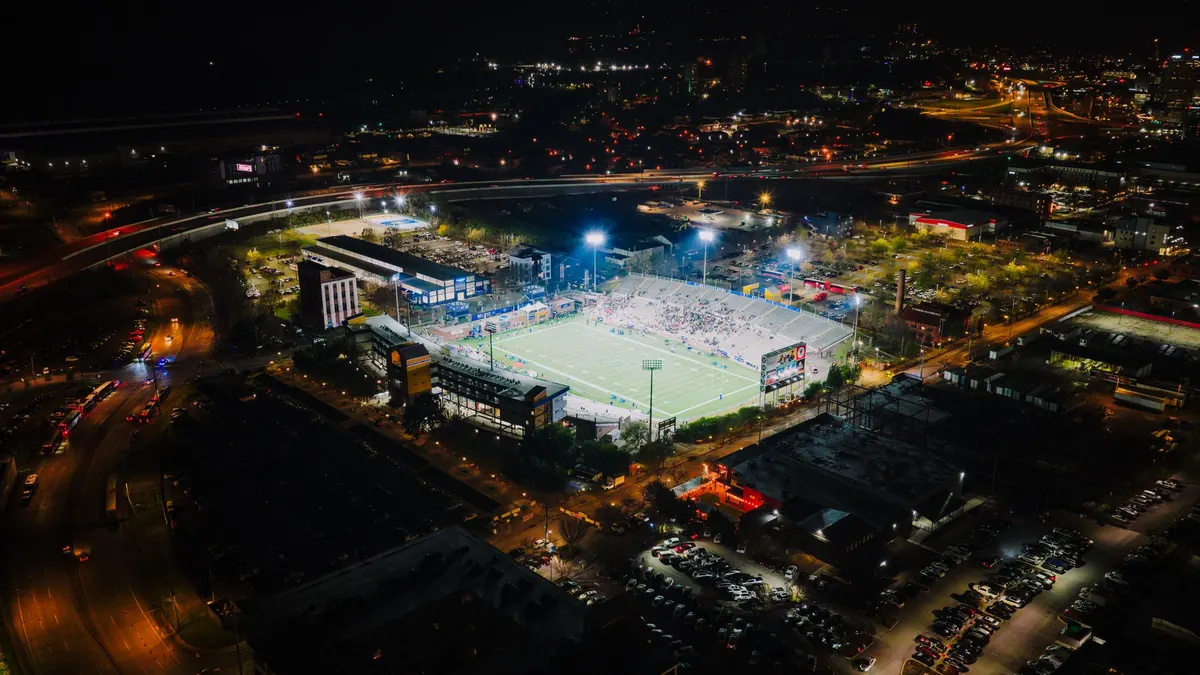
Weekend Events Checklist: How to Plan Around Shire's Summer Fair, Parades, and Road Closures
October 05, 2026 - Events

September 30, 2026 - Opinion

Budget night at the Shire is never just one night. It is a season — a slow run of workshops, draft documents, submission windows and votes that ends with the money divided between potholes, pool hours, planning staff and the playground that has been on the list since 2019.
Most residents miss the whole thing, then wonder in July why the footpath never got fixed. There are several points where one well-timed, well-argued comment can move a decision. Here is how the process runs, where the rules come from, and when it is worth your evening.
Councils spend months building a budget before the public sees a word of it. Staff start from the council plan and the long-term financial plan, add the asset schedules — every road, drain, building and bridge with a renewal date — and work out what fits. In most shires the honest answer is: not all of it. The gap between what the assets need and what rates and grants will raise is the number that quietly drives every argument that follows.
The sequence is fairly predictable:
The stretch between exhibition and adoption is the only window where a resident's argument reliably changes a line item. Before it, the draft is still fluid but invisible. After it, the money is committed.
Councils do not invent this process. State local government legislation sets the framework, and in most states an integrated planning and reporting regime sits underneath it. That regime usually requires four linked documents: a long-term community plan, a four-year delivery program, an annual operational plan (which is effectively the budget), and a long-term financial plan that projects rates, grants, borrowings and asset renewal ten years out.
The practical consequences for residents are worth knowing:
Each council also has its own community engagement policy. Find it, because it tells you exactly how many days you have, whether deputations are allowed, and whether there is a public forum before the ordinary meeting.
The budget has two halves and they behave very differently.
The operating budget covers the year's running costs: wages and superannuation, electricity, insurance, fleet, contracts, legal obligations and depreciation. Most of it is fixed before the first workshop. Awards set the wages, contracts lock in the maintenance, legislation dictates the inspections. Only a thin slice is genuinely discretionary, and that slice — hours at the library, the number of mowing passes, whether the visitor centre opens on Sundays — is where residents have the most leverage.
The capital budget covers things you can point at: road reseals, culvert replacements, playground upgrades, building renewals. It is funded from rates, grants, developer contributions, reserves and sometimes borrowings. Capital projects are the easiest to argue about and the easiest to defer, which is precisely why the playground has been on the list since 2019.
Then there is the fees and charges schedule, a long, unglamorous table that residents skim past and should not. It is where a $40 increase in tip fees hides, and where a decision to charge for something previously free gets made with almost no debate.
Influence is not evenly spread across the year. Ranked roughly from most leverage to least:
The submissions that change budgets share a handful of habits.
Generic outrage, copied form letters, and submissions that attack individual staff or councillors all get counted and set aside. So does anything that arrives after the exhibition closes, however good it is — the report has already been drafted. And a submission that asks for everything is read as asking for nothing.
Imagine the playground. Here is the version that gets a polite acknowledgement:
"The playground on River Road is dangerous and the council should do something about it. We pay rates and get nothing."
And here is the version that ends up quoted in the business paper:
"The River Road playground is listed for renewal in the 2027 asset schedule but has been deferred three times. The soft-fall surface is past its life and the nearest alternative is 4.2 kilometres away. A like-for-like replacement is approximately $180,000. I am asking that $90,000 be brought forward into this budget and the balance into next year's, funded from the unspent parks reserve of $310,000 identified on page 84 of the draft. We have 62 signatures from families who use the site weekly."
Same complaint. One is a feeling; the other is a decision waiting to be made.
If you speak, prepare for a stopwatch. Register beforehand, arrive early, and check whether written copies are accepted — most are, and a one-page summary left with the general manager often travels further than the speech.
Address the chair, not the gallery. State your name and suburb. Give the ask in your first sentence, then the reason. Finish with a single, answerable question. Do not argue with another speaker, and do not ask councillors to "just listen to the community" — they have heard it, and they are deciding between two things they cannot both fund.
Adopting the budget is not the end of the story. Quarterly budget reviews can move money between projects, and deferred capital works quietly roll into the following year. The annual report, published months later, compares what was promised with what was built.
Keep your submission and the council's written response. If the playground is deferred again, you now have a documented history — and a much stronger case at the next exhibition window than you had the first time.
The whole system rewards people who show up early, in writing, with a number attached. That is not a trick of the process; it is the process working the way it was designed to.
Photo: Caleb Oquendo / Pexels
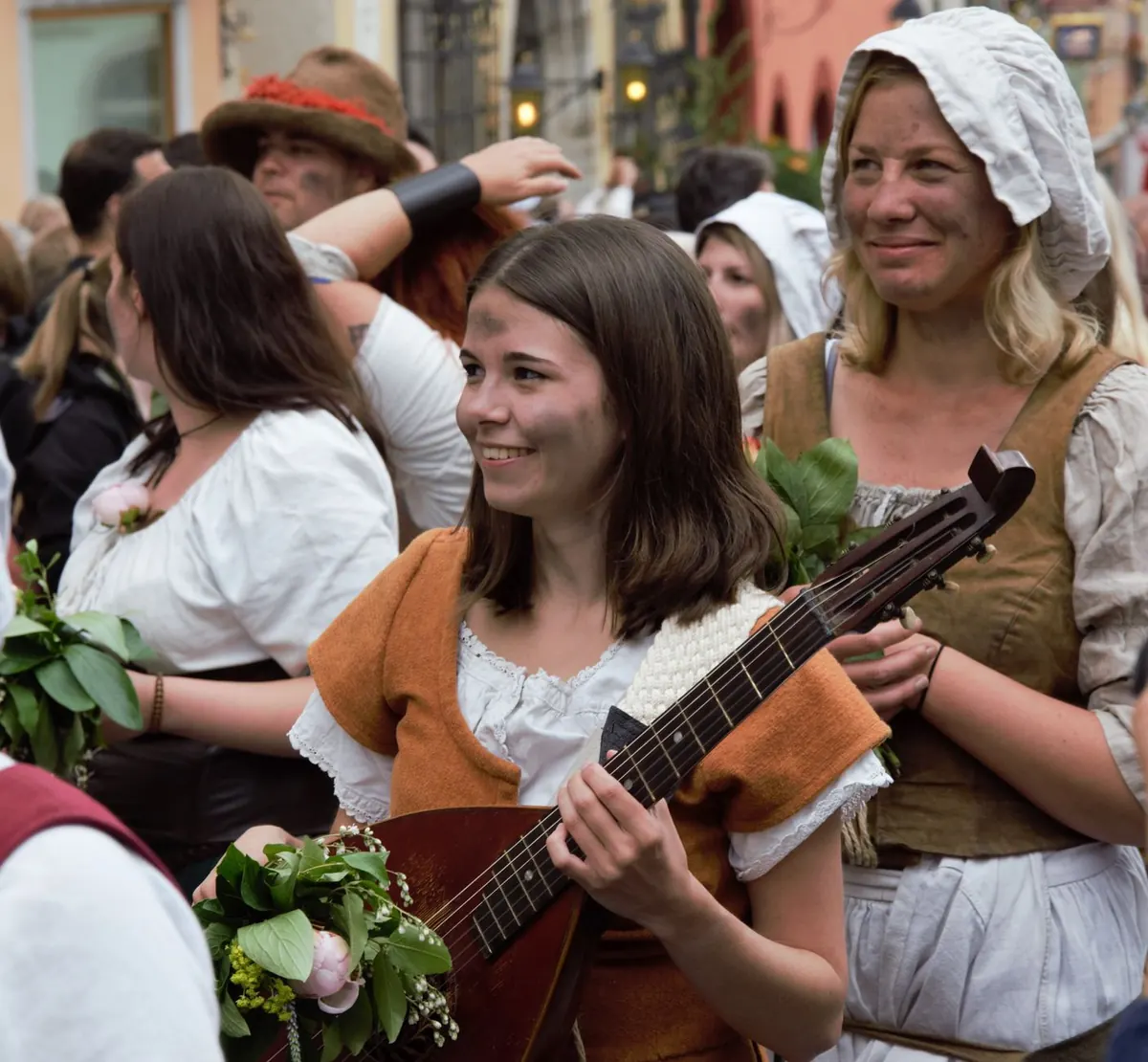
Road closures, parking and timing can make or break a summer festival weekend. Here's a practical checklist for...
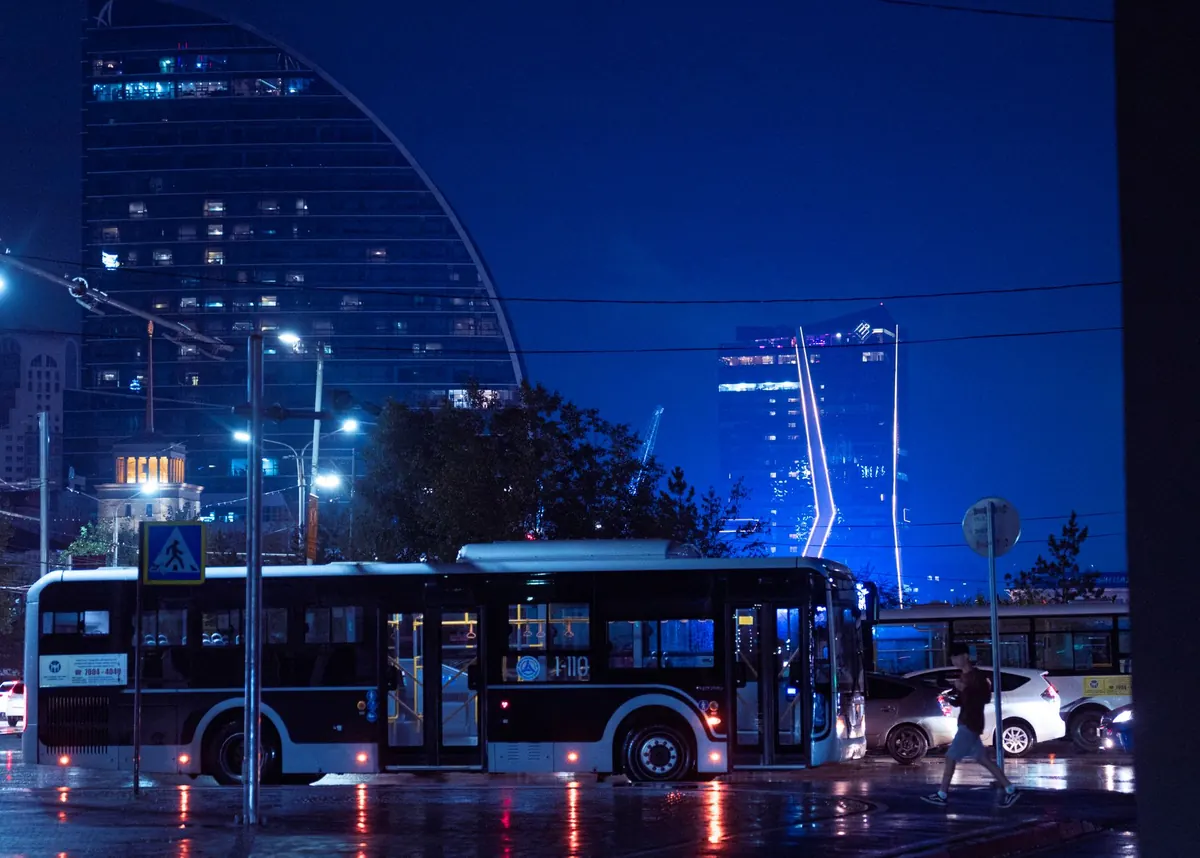
Shire's buses stop running before the night shift ends. A modest late-night pilot would keep workers moving, reduce...
Copyright © 2026 Shire Gazette. All Right Reserved.